The first reports about a war, natural disaster, political crisis, or financial shock rarely contain the full picture. Journalists may initially depend on eyewitness accounts, emergency statements, images, and figures that are still being checked. Later reports may revise numbers, add documents, or separate confirmed events from allegations. Readers can follow those changes by comparing the time of the event, the article’s publication time, its update notes, and the sources supporting each claim. The information timeline helps readers understand what a source can reasonably establish. It does not mean every older source is accurate or every breaking report is unreliable.
The Information Timeline – Evaluating News Reliability Across Time Frames
The information cycle describes how coverage develops from immediate reports to later analysis. The stages are approximate rather than fixed deadlines.
Information Timeline Cycle:
- 0–24 Hours: Live reports and official alerts provide the earliest information, but coverage is often immediate rather than complete.
- Days to Weeks: Follow-up reports, interviews, and supporting documents add context, verification, and comparison.
- Months to Years: Investigations, datasets, and research reveal underlying causes, methodologies, and long-term impacts.
- Years Later: Archives and historical studies offer retrospective analysis, helping place events within a broader historical context.
Immediate Phase Following an Event (First 24 Hours)
Information Sources: Live reporting, emergency alerts, official statements, eyewitness material, photographs, videos, and social media posts.
Characteristics: Reliable early reports distinguish confirmed facts from attributed claims and unresolved questions. Casualty counts, identities, damage estimates, and explanations of the cause may still change.
Check when the event occurred, when the material was published, where it was recorded, and who originally supplied it. A video uploaded during a current crisis may show an older or unrelated event.
Phase Days to Weeks After the Event
Information Sources: Follow-up articles, interviews, official documents, local reporting, and longer news features.
Characteristics: Reporters have more time to compare accounts, contact additional sources, review documents, and explain regional or historical context. Some early contradictions may be resolved, although official investigations can remain incomplete.
Detailed follow-up reporting may come from news agencies, broadcasters, newspapers, magazines, investigative teams, or specialist publications. It is not limited to weekly newsmagazines.
Phase Months to 1 Year After
Information Sources: Government inquiries, court filings, technical reports, humanitarian assessments, datasets, and academic studies.
Characteristics: These sources may offer better measurements and clearer research methods than early news reports. However, they can still disagree because they examine different periods, use different definitions, or have access to different evidence.
A government report is not automatically neutral, and publication in a peer-reviewed journal does not make a paper the final answer. Readers should examine the methods, evidence, authorship, and publication date.
Phase Years After the Event
Information Sources: Historical archives, declassified records, books, scholarly reviews, documentaries, and encyclopedia entries.
Characteristics: Retrospective works can connect records that were scattered or unavailable during the event. They may benefit from court decisions, released documents, and long-term research, but they remain open to correction and reinterpretation.
No book, archive, or encyclopedia automatically becomes the single official “Document of Record.” Its reliability still depends on the quality of its sources.
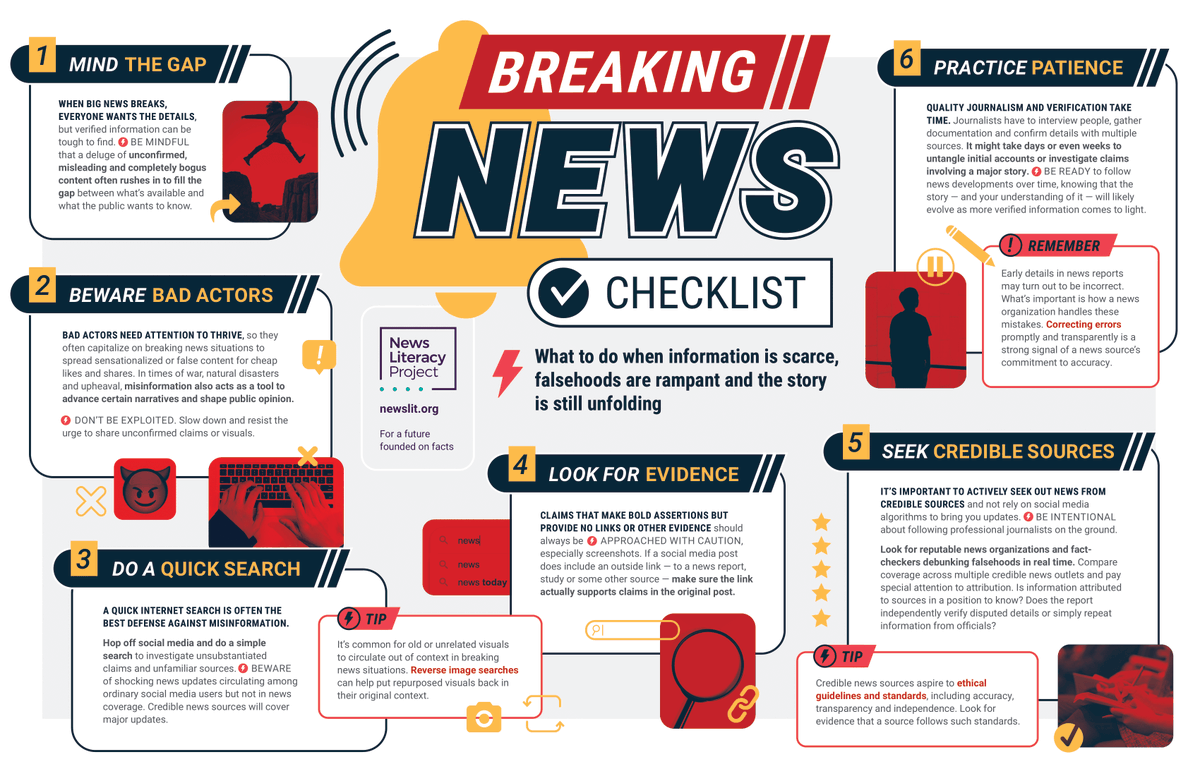
Techniques for Inspecting Article Update History to Avoid the "Post-Truth Trap"
Inspect both the article timestamp and the time of the events described. An article published in the morning may be updated after an evening government briefing without becoming an entirely new report.
Reuters states that accuracy takes precedence over speed and that errors should be corrected promptly and transparently. AP similarly requires errors to be corrected fully, quickly, and clearly.
Publishers use different update systems, so the timestamp alone may not explain what changed.
Distinguishing Between Two Types of Added Information
New Developments: Events occurring after publication, such as a revised evacuation order, new official statement, court ruling, confirmed identity, or updated figure.
Background Research: Context added to explain the event, such as historical data, previous agreements, biographies, or a chronology.
An “Updated” label does not necessarily mean the original article contained an error. A changed timestamp also does not show readers exactly what was edited. Look for a correction note, editor’s note, or statement explaining what was added or changed.
Identifying and Escaping the "Post-Truth Trap"
“Post-truth trap” is an informal description rather than an established verification method. The practical risk is that emotional commentary and repeated opinions become easier to remember than the original evidence.
Begin by writing down the exact allegation. Find the earliest attributable source, then look for a direct document, complete recording, verified image, official dataset, or on-the-record statement.
Anonymous claims require additional caution. AP’s standards state that anonymous material should be factual rather than speculative, come from a reliable source with direct knowledge, and generally receive confirmation from additional sources.
The oldest article is not always the strongest source. A court filing, complete speech, official report, or verified recording may provide better evidence.
Utilizing Digital Archiving Tools to Inspect Website History
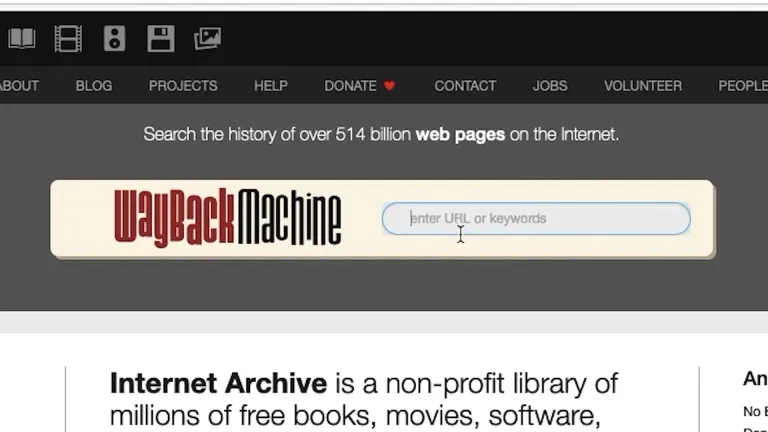
The Wayback Machine can help readers compare archived versions of a public webpage. The Internet Archive reports that it has preserved more than one trillion web pages, not that it captures one billion URLs every day.
How to Use It: Enter the article URL, select captures from before and after the suspected edit, and compare the headline, figures, quotations, and correction notes.
Archived versions are not guaranteed to be complete. The Internet Archive explains that pages may be missing because they were inaccessible, password-protected, blocked from crawling, or excluded by their owners. Images, scripts, and linked pages may also be absent. Use an archived page as supporting evidence rather than proof that no other version existed.
Real-World Case Study – Information Timeline History of the Deepwater Horizon Explosion (2010)
The Deepwater Horizon disaster shows why readers should preserve publication dates and source versions rather than relying on a figure remembered from the first week.
INFORMATION TIMELINE EVOLUTION: DEEPWATER HORIZON (2010)[April 20, 2010] ---> [Late April-May] ----> [2010-2012] --------> [Later Years]
Breaking reports Revised estimates Technical studies Archives and
and rescue updates and response coverage and investigations historical reviews
| | | |
Explosion known; Spill scale revised Flow and causes Long-term effects
many facts unclear as evidence improved examined in detail reassessed
Explosion Timestamp (Around 10:00 PM CT on April 20, 2010)
NOAA’s official timeline places the explosion and fire at approximately 10:00 p.m. Central Time on April 20, 2010. Eleven workers were killed, and the rig sank on April 22.
The original article’s 9:45 p.m. timestamp was too precise. Investigation records describe several rapidly developing events, including uncontrolled flow, alarms, fire, and explosions, around that period.
Initial Coverage (First Days)
Early reporting relied on rescue updates, BP statements, U.S. Coast Guard information, and observations of the damaged well and spreading slick.
A widely reported early estimate placed the flow at about 1,000 barrels per day. Later technical assessments showed that this figure substantially underestimated the discharge.
The early reports were still valuable for confirming the explosion, fire, rescue operation, and emerging spill. The mistake would be treating an initial estimate as settled after better measurements became available.
News Magazines and Follow-up Reporting (A Few Weeks Later)
Follow-up coverage connected the failed containment attempts, fisheries closures, dispersant use, regulatory questions, and effects on Gulf Coast communities.
This reporting provided a clearer chronology, but the final spill volume, technical causes, environmental damage, and legal responsibility were still being investigated.
Readers reviewing an older article should compare its publication date with the date of the estimate or statement it quotes.
Scientific Journals and Technical Studies (Months to Years Later)
Technical work later estimated that the flow declined from approximately 62,000 barrels per day near the beginning of the spill to about 53,000 barrels per day near the end. NOAA reports that approximately 134 million gallons of oil entered the Gulf over 87 days. Subsequent research examined shoreline damage, wildlife injury, dispersant exposure, marine ecosystems, and recovery. No single paper established every environmental consequence, and research continued long after the first anniversary.
Government Reports and Historical Accounts (Later Years)
Government investigations examined well-control decisions, equipment failures, organizational practices, emergency response, and regulatory oversight. Court proceedings, restoration assessments, and scientific reviews later added evidence about responsibility, environmental damage, and recovery costs. These sources answer different questions and should not be treated as interchangeable.
Encyclopedic Entry and Archival Record
Reference works can summarize the established chronology, including the April 20 explosion, the deaths of 11 workers, the sinking of the rig, and the 87-day release.
They are useful starting points, but they do not replace official timelines, scientific studies, investigation records, or court documents.
Search Keywords: deepwater horizon oil spill breaking news coverage archive comparison
Alt Text: Timeline comparing early Deepwater Horizon reports with later technical estimates and official assessments
AI Image Prompt: A split editorial image showing 2010 Deepwater Horizon breaking news beside later scientific charts, investigation records, and archived reports
Post-Publication Follow-up Process to Ensure News Drives Real Impact
Following a story means checking whether announced investigations, hearings, payments, prosecutions, or reforms actually occurred. It does not mean assuming every investigation will produce policy change.
Tracking Political and Social Responses Post-Publication
The UK thalidomide case is a documented example of sustained reporting contributing to public pressure. Wellcome Collection records that a media campaign led by Sunday Times editor Harold Evans drew attention to affected families during the 1970s. A 1972 UK parliamentary debate also praised the newspaper’s work. A final settlement in 1973 included funding for a trust supporting thalidomide survivors. The outcome did not result from one article alone. Families, lawyers, campaigners, journalists, Parliament, and negotiations all contributed.
Building a Follow-up System (Diary-and-File)
“Diary-and-File” is best treated as a practical personal workflow rather than a formal method used by every investigative newsroom.
Diary: Record the next verifiable date, such as a court hearing, report deadline, policy start date, inspection, or scheduled government announcement.
File: Save the article URL, its original publication and update times, correction notes, direct documents, archived captures, and a short description of the unresolved claim.
When the date arrives, check the responsible court, agency, company, or organization first. Record whether the event happened, was postponed, or changed.

The information timeline shows what a source can reasonably establish at each stage. Immediate reports may confirm what is happening, while later investigations can provide stronger measurements, explanations, and long-term findings. Age alone does not determine reliability. Article history should be checked through publication times, update labels, correction notes, direct sources, and archived versions. Wayback Machine captures can help, but they may be incomplete. Write down the exact claim before judging it. Check when the event occurred, when the article was published, what was updated, and which source supports the newest version. Revisit the story when the next official milestone arrives rather than treating the first headline or the latest commentary as the final historical record.